
The Air We Breathe: India’s Air Quality Index Today – City By City
Air Quality Index
You know that feeling when you step outside and the air smells… heavy? It seems like someone has burned old tires next door, even though no one has. That is not just in your head. That’s the quality of air you are inhaling.
The AQI is just a number, but there is a story behind it. It tells you how much poison you are inhaling with every breath. It measures tiny particles like PM2.5 and PM10, which are small and go straight into your bloodstream. Also nitrogen dioxide (NO2) from cars, sulfur dioxide (SO2) from factories, carbon monoxide (CO), and ozone (O3) all mix together into the air.
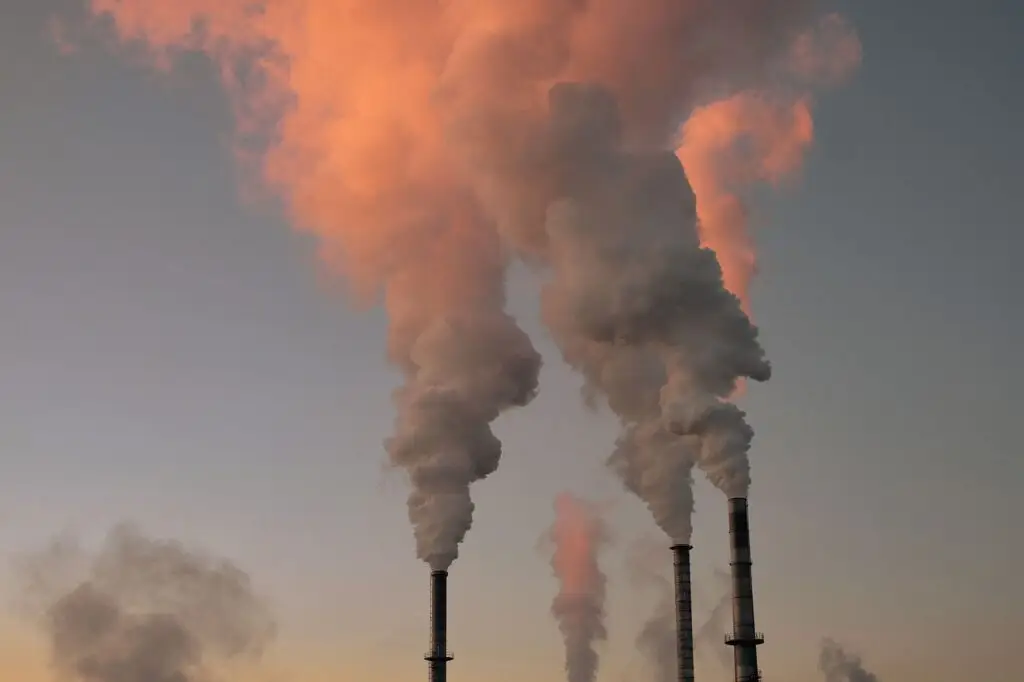
The AQI ranges from 0 to 500, with higher numbers indicating worse air quality and greater health risks.
The AQI is divided into six color-coded categories, each corresponding to a different level of health concern:
Air Quality Index (AQI) Categories
| AQI Range | Category | Health Impact | Recommended Action |
|---|---|---|---|
| 0-50 | Good | The air is clean and presents minimum to zero health risk. It's safe for everyone to go about their daily activities outdoors. | No precautions are needed; everyone can enjoy outdoor activities freely. |
| 51-100 | Moderate | Air quality is generally acceptable. Most people will remain unaffected, though unusually sensitive individuals could notice minor breathing discomfort. | Children, older adults, and individuals with respiratory conditions such as asthma should reduce extended periods of outdoor physical activity. |
| 101-150 | Unhealthy for Sensitive Groups | People with respiratory or heart conditions, children, and older adults may begin to feel effects such as difficulty breathing or coughing. The general public faces little to no risk at this stage. | Sensitive individuals should reduce or avoid outdoor physical activities, especially those that are strenuous or long in duration. |
| 151-200 | Unhealthy | Health effects may become widespread, with vulnerable groups facing higher risks. Common symptoms may include irritation in the eyes, throat, or lungs, and breathing discomfort. | People with existing health issues and active individuals should avoid outdoor exertion. Children and other vulnerable individuals should reduce time outdoors and refrain from physical exertion. |
| 201-300 | Very Unhealthy | This level indicates a health alert. The air quality has reached levels that are likely to affect the entire population, not just sensitive groups. | All individuals, especially those with health conditions, should avoid outdoor activities entirely. Everyone should avoid going outside unless absolutely necessary. |
| 301+ | Hazardous | This is a critical air pollution level with emergency health warnings. Serious health effects are expected for everyone, even after short exposure. | Outdoor activities should be avoided by everyone. Remain indoors with windows closed and use air purifiers if available. Those with health problems should seek medical attention if symptoms worsen. |
Let me take you on a tour, city by city. Because the air you breathe in Delhi isn’t the same you breathe in Mumbai. It is worth mentioning that your lungs know the difference.
AQI in Delhi – Where the Air Has Teeth
I will be honest with you. Delhi in winter is no joke. I have seen mornings there where you can’t see the building across the street. It is not fog but smoke mixed with dust and chemicals. Neighbouring states like Punjab and Haryana burn crops and smoke accumulates in air, thereby polluting it.
Right now, Delhi’s AQI is around 250. That’s “Very Unhealthy.” What does that mean in real terms? It means even if you’ve never had asthma in your life, you’ll start coughing. Your eyes will sting. You’ll feel tired for no reason. People are wearing masks inside their own homes. That’s where we live.
If you live there, stay indoors. If you must go out—wear a proper quality mask. Growing respiratory and heart diseases are a matter of concern for both residents and the policy makers in Delhi.
AQI in Faridabad Today – Too Close for Comfort
Faridabad is right next to Delhi. It has the same air, but a different name. Today it’s around 180. “Unhealthy.” That means kids and older folks shouldn’t be out for long. Children, the elderly people and those having heart or lung problems, should not go outside too much. Even a twenty-minute walk could leave you breathless.
AQI in Ghaziabad Today – The Other Side of the Same Hell
Ghaziabad stands at around 250 today. It is the same as Delhi and categorised “Very Unhealthy”. I have talked to people there who say they wake up with a sore throat every single morning. That is very bad. This means that PM2.5 and nitrogen oxides are badly affecting them. If you live there, try to limit going outside, because even healthy people are being affected by such air quality.
AQI Gurgaon – Glass Towers, Thick Air
Gurgaon (also known as Gurugram), a city in the NCR, faces similar pollution issues. The rapid construction in urban areas, the endless vehicular traffic on roads, the lack of green space, all add up. Its Air Quality Index (AQI) is 220. Very Unhealthy again. If you already have a health condition, don’t go out without a mask.
AQI Noida – The Concrete Jungle
AQI of Noida today is at 210. Same story. Air quality is Very Unhealthy. The factories, vehicles and the construction dust pollute the air. Millions of people breathe this air. You should avoid going out in the early morning or late evening, when pollution is at its peak.
AQI of Chandigarh Today – The Clean One
Chandigarh is usually India’s cleanest city. Today its AQI is 150. That’s “Unhealthy for Sensitive Groups.” So if you have asthma, or if you are older, or if you are a child—don’t stay outside too long. For everyone else, it’s okay. But not great.
Mumbai AQI – Sea Breeze Can Only Do So Much
Mumbai is a major coastal city and has comparatively better air quality than many other cities of India. It is due to its closeness to the sea and more stringent pollution control measures. Today its AQI is 120, which is classified as “Moderate.” Most people can go and spend time outside. But if you are sensitive—like if you have asthma<span;>—<span;>you may feel discomfort.
Navi Mumbai AQI – A Little Better
AQI of Navi Mumbai is at 100. Still moderate. Most people won’t even notice it. But if you have respiratory issues, take extra precautions. Moderate doesn’t mean the air is clean. It just means it is not dangerous for most people.
AQI Goregaon – Same as the Rest of Mumbai
AQI for Goregaon is around 110. It is Moderate. There is nothing special to report. It is just the usual Mumbai air—which is okay for most, and annoying for some. If you are sensitive, do not go out in the morning.
AQI Kalyan – Close Enough to Feel It
AQI for Kalyan is at 120. Moderate. It is acceptable for most people. But again—if you have respiratory issues, please be careful. A short walk is fine, but a long walk may not be fine.
AQI in Bhiwadi – The Industrial Cough
Bhiwadi is an industrial town near Delhi. And you can tell as soon as you step off the train. It smells like chemicals and burning. Today it’s 150. Unhealthy for sensitive groups. If you have breathing problems, limit your time outside. And if you don’t? Still wear a mask if you’re out for long.
Vrindavan AQI – Not Just Temples and Peace
Vrindavan is known for its temples, its ghats, its spiritual vibe. But the air is not healthy. Today its AQI is at 160 and hence Unhealthy for sensitive groups. If you are visiting Vrindavan, and have asthma or a similar condition, don’t spend hours walking around outside.
AQI in Sonipat – Unhealthy and Unforgiving
Sonipat, a city in Haryana, has an AQI at about 180 and falls in the Unhealthy category. If you have a condition related to lungs, I would say don’t go out unless you absolutely have to. Even healthy people might feel discomfort after a while.
AQI Rohtak – Crossing Into Very Unhealthy
Rohtak has an AQI at around 200 today. That’s “Very Unhealthy.” Same league as Delhi, almost. Stay inside, if you are elderly, a child, or have any kind of heart or lung condition.
AQI Bangalore – The Surprise
Bangalore has pleasant weather and its AQI is at 85 today, which falls in the Moderate category. That’s actually not bad for India. Most people won’t feel anything. But sensitive folks might still experience mild symptoms like a little eye irritation or a dry throat, due to rapid urbanization and traffic.
So What Do We Do With All This?
You can’t really avoid breathing in polluted air. I mean, you have to breathe to stay alive, right? So that part isn’t optional. But you can be a little smart about how you handle it.
Here is what I do. I check the AQI of the place I am living in. I do this on a daily basis and not once a week as some people do. The air changes fast. What was fine yesterday may be terrible today.
If the number is high, I stay inside. I keep my windows shut and use an air purifier. And if I absolutely have to go outside, I wear a mask. Not thin cloth ones that everyone was wearing during Covid. Those don’t give you much protection. I mean you should wear a proper N95 mask.
Look, I’m not trying to scare you. This isn’t one of those posts where someone yells at you to panic. It is just what I have seen with my own eyes. Too many people shrug their shoulders and say “what can we do anyway?” And then years go by. They keep coughing. They keep feeling tired, and never make the connection that it is the air they have been breathing all along.
You have to breathe. You don’t have a choice about that. But breathe carefully. Here you do have a choice.
Best AQI in india
The people who live at places having aqi levels between 0-50 which falls in “Good” category, are lucky enough so far as their air quality is concerned. It is the best aqi in india. They breathe healthy air, go anywhere and enjoy outdoor activities with no precautions needed. Prime examples of such cities include Aizawl, Gangtok, Ariyalur, and Kohima.
Air Quality Index (AQI)
Disclaimer
The Air Quality Index (AQI) numbers listed in this blog post show data available at the time of writing this post. The AQI is dynamic and changes with the pollution levels, wind patterns and local emissions throughout 24 hours.
These figures are intended for general informational purposes only and should not be used as a real-time health guide. For the best/most up-to-date and accurate information, you should refer to local government sources or credible weather apps. Always give priority to official announcements when planning outdoor activities – especially if you are part of a sensitive group.